The Importance of Finding Your Tribe
March 2026 | Economics of Mutuality Experts Series
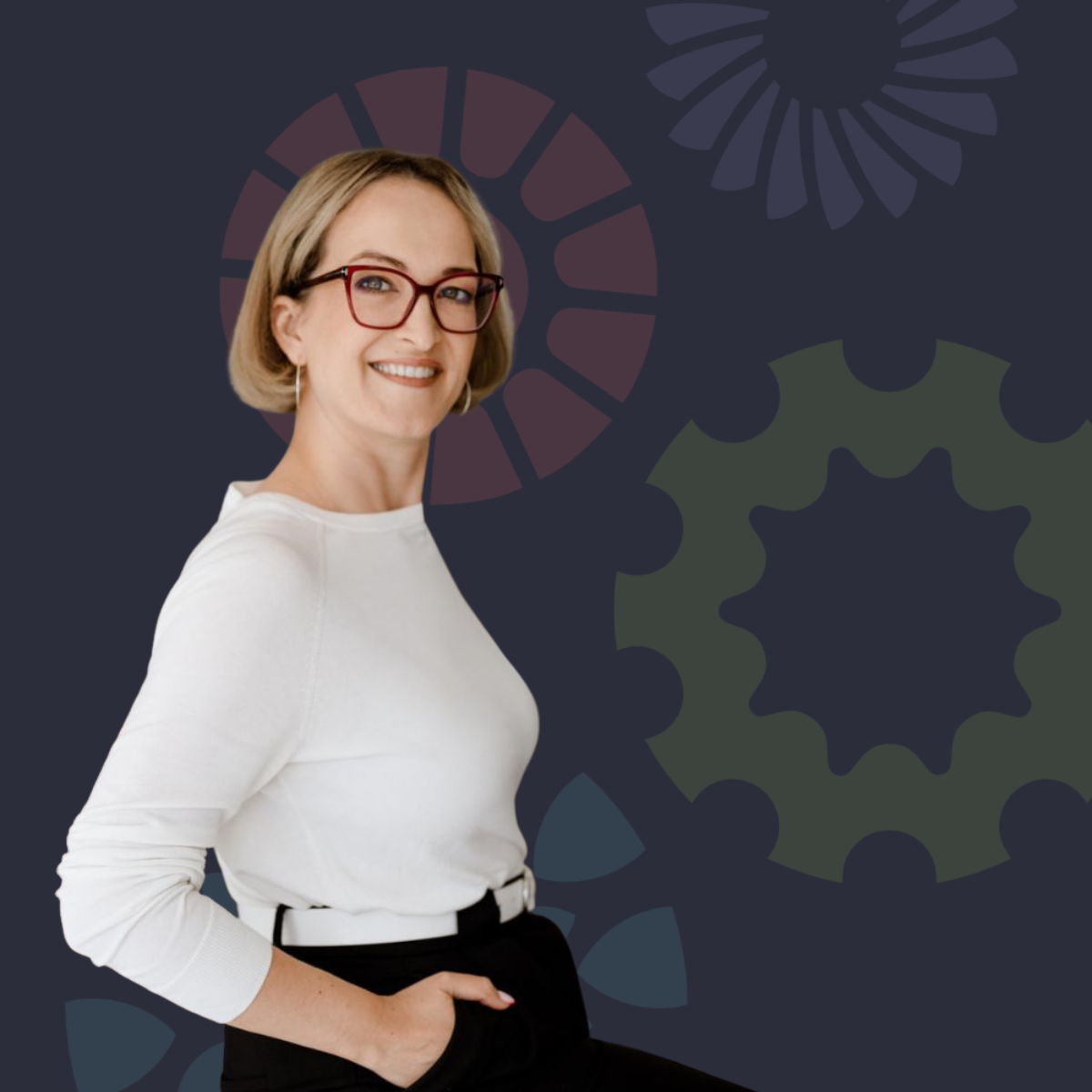
A Conversation with Carla Henry
Why Purpose-Driven Leadership Matters More Than Ever
Carla Henry GMBPsS, Founder of The Purpose Collective and Program Director at Leading With Purpose, shares why she believes the purpose conversation is ready to take root in Asia, and why leaders are craving a different way of doing business.
You’ve been working in organizational change for nearly three decades. What led you to purpose-led work specifically?
I’ve been working in organization change, transformation and leadership development for coming up on 27 years. But my journey into purpose probably started about eight or nine years ago, when I began partnering with clients who were trying to unearth, define or refresh their purpose – and place it at the centre of their business strategy.
Five years ago, I founded The Purpose Collective to focus that work. We support organizations on their purpose-led change journeys, and we work with leaders navigating complex transformation. It’s a blend of coaching and consulting. I’m based in Singapore and our clients are a mix of local and global organizations.
You’re a Program Director for Leading With Purpose, the Economics of Mutuality virtual executive education program. What drew you to it?
I actually started as participant and, honestly, I was on the fence for years. I’d previously worked with elements of the Economics of Mutuality approach and wasn’t sure I needed to learn anything else… but I felt called towards it, so eventually I joined.
What I found as a participant was spaciousness – the chance to immerse myself in the material from a student’s perspective again. When you’re a practitioner, you can fall into a ‘know-it-all’ mindset. Going back with beginner’s eyes was genuinely valuable. But the biggest thing? I found my tribe. A community of people who speak the same language, who share that felt sense that business can and should do things differently.
Now, as a Program Director, I get to create that space for others; for busy leaders who want to wrestle with the big questions but rarely make the time. That’s what I love most about it.
What has surprised you about the leaders who come on the program?
How much people are craving a different conversation. The program becomes almost a safe space to wrestle with the things you can’t easily say in your day job. For example that a purely capitalistic model of quarterly returns and shareholder-only thinking feels hollow. People come because they want to ask: does this even feel meaningful? What would a different way of running a business look like – one that makes money and makes a difference as well?
One of my favourite elements of the program is the idea of a ‘mutual P&L’ – really interrogating the full extent of the impact your business is having, well beyond the financial bottom line.
You’re based in Singapore. Do you think the purpose conversation lands differently in Asia?
My felt sense for many years has been that this conversation is more ready and more real in Asia. Family firms account for around 85% of all businesses in the Asia-Pacific region, and two thirds of the world’s largest family-owned businesses are based here. These are enterprises that grew from roots that were already deeply long-term and community-minded. When you talk to people about purpose, mutuality, and legacy, it resonates immediately. They’ve been living it – they just didn’t always have a language for it.
There’s also something about proximity to impact in this part of the world. When companies in neighboring countries burn forests for palm oil, Singapore and Malaysia feel the haze within days. The environmental consequences of decisions in your supply chain are literally on your doorstep. That makes the whole-system thinking – who is your business truly serving, all the way through your value chain – feel urgent and concrete.
What trends are you noticing in responsible leadership right now?
I feel we’re in a period of regression, which is part of why I think this program matters so much right now. Five or six years ago, there was real momentum. The conscious capitalism movement was gaining ground, organizations were really attempting that purpose journey. Today the narrative has shifted. Talking about purpose and doing good can almost feel like a liability. The pressure is back on ‘just hit the numbers.’
But here’s what I do see: people quietly doing deeper, more meaningful work. Less noise, more substance. And a lot of it is being driven by family-owned businesses transitioning to the next generation of leaders who want to ensure that the thread of positive impact continues. This is happening at scale right now: research from Russell Reynolds estimates that over 30% of Asian family businesses are expected to go through a generational transition in the next five years. MAS Holdings, the Sri Lankan apparel manufacturer, is a great example of this in action. Founded by three brothers in the late 1980s, they’re now building their next generation of leaders with a strong purposeful ethos. Most people won’t know the company by name, but they’ll almost certainly know the brands they make for.
What’s the most important thing organizations can do to create positive community impact?
Start inside. I love the quote: ‘If you want to change the world, go home and love your family.’ For businesses, the equivalent is: look after your people first.
We sometimes make impact so big and grand that we forget: if you’re not genuinely caring for the community that walks into your workplace every day – investing in mental health, checking in on your people, especially in a hybrid world where loneliness is a growing crisis – then you’re not actually improving your community. You’re just broadcasting that you want to.
For me, it comes back to leaders living their personal purpose every day. Small, consistent, meaningful actions. Do those reliably, and you build an army of purposeful people who have the energy and conviction to go out and have a bigger impact. It’s very hard to ask your workforce to care about the world if they don’t feel cared for themselves.
What’s your call to action for business leaders in Singapore?
Do the program. And if now isn’t the right time, put it on your vision board and commit to it. There is never a ‘right’ time – I started mine in what felt like the worst possible quarter. But the momentum of the program carries you. You find the time.
And beyond the frameworks and the rigour, here’s the real gift: you will meet remarkable people and come away feeling less alone. In a world that often tells leaders to just keep their heads down and hit their targets, finding a community that asks the bigger questions – that’s genuinely rare. And right now, I think it matters more than ever.
Are you a leader with a deep conviction that business should be a force for good? Our Leading With Purpose executive education program could for you.
Delivered online over 9-weeks, the course is grounded in the practical Economics of Mutuality operating model, which has been developed with leading companies and universities including Mars and Oxford University’s Saïd Business School.
Since its inception, it has helped over 500 senior business leaders and investors integrate social and environmental impact into their core business strategy.
Applications are open for our 2026 cohort! Find out more via link below.
Program dates: April 20 – June 26
Application deadline: March 20
If you want to speak to a member of our team about joining the program, please contact Liam Sharkey at Liam.Sharkey@mutualvaluelabs.com